Vacheron Constantin, founded in Geneva in 1755, the manufacture has shaped more than 270 years of watchmaking through technical innovation, artistic craftsmanship, and a constant pursuit of excellence. Its story moves from Jean-Marc Vacheron’s first workshop to world-record complications, proving why the name remains one of the most respected in haute horlogerie.
The Beginning: Jean-Marc Vacheron and 1755
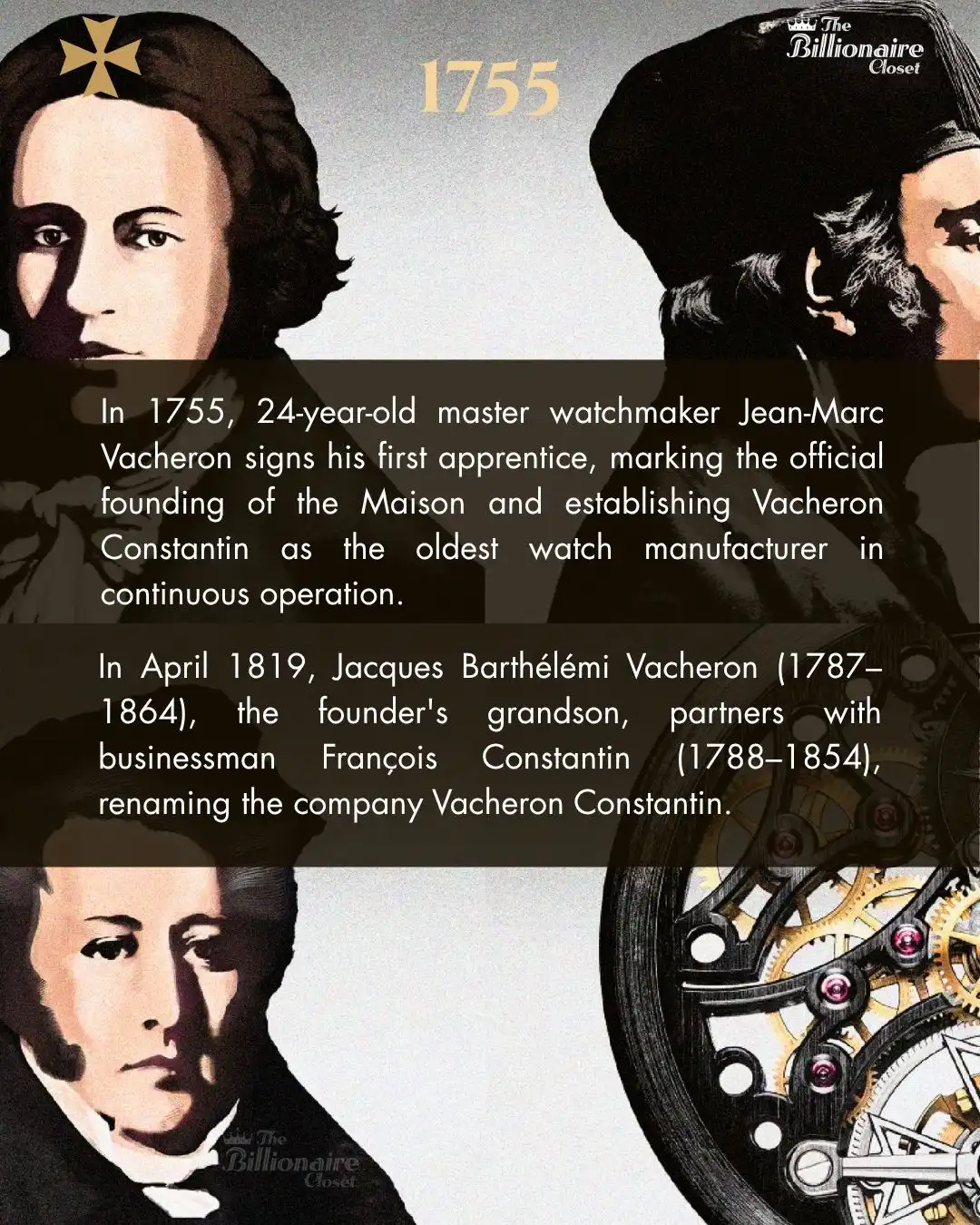
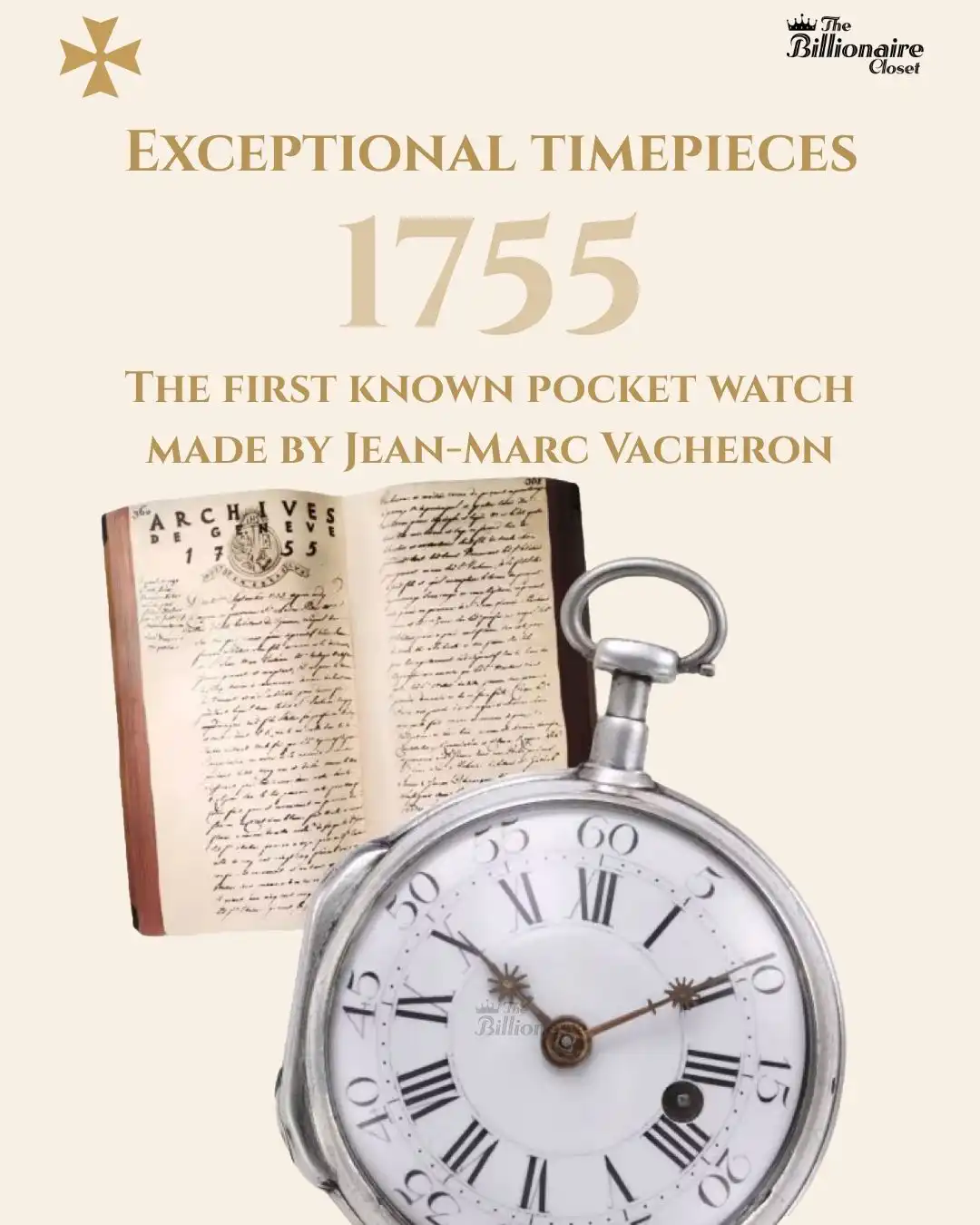
In 1755, Jean-Marc Vacheron signed his first apprentice to his Geneva workshop, a moment Vacheron Constantin describes as the birth certificate of the Maison. That act made clear his intention to pass down watchmaking knowledge and helped establish what the brand presents as the oldest watch manufacturer in continuous operation since its founding.
1819: The Partnership That Created the Name
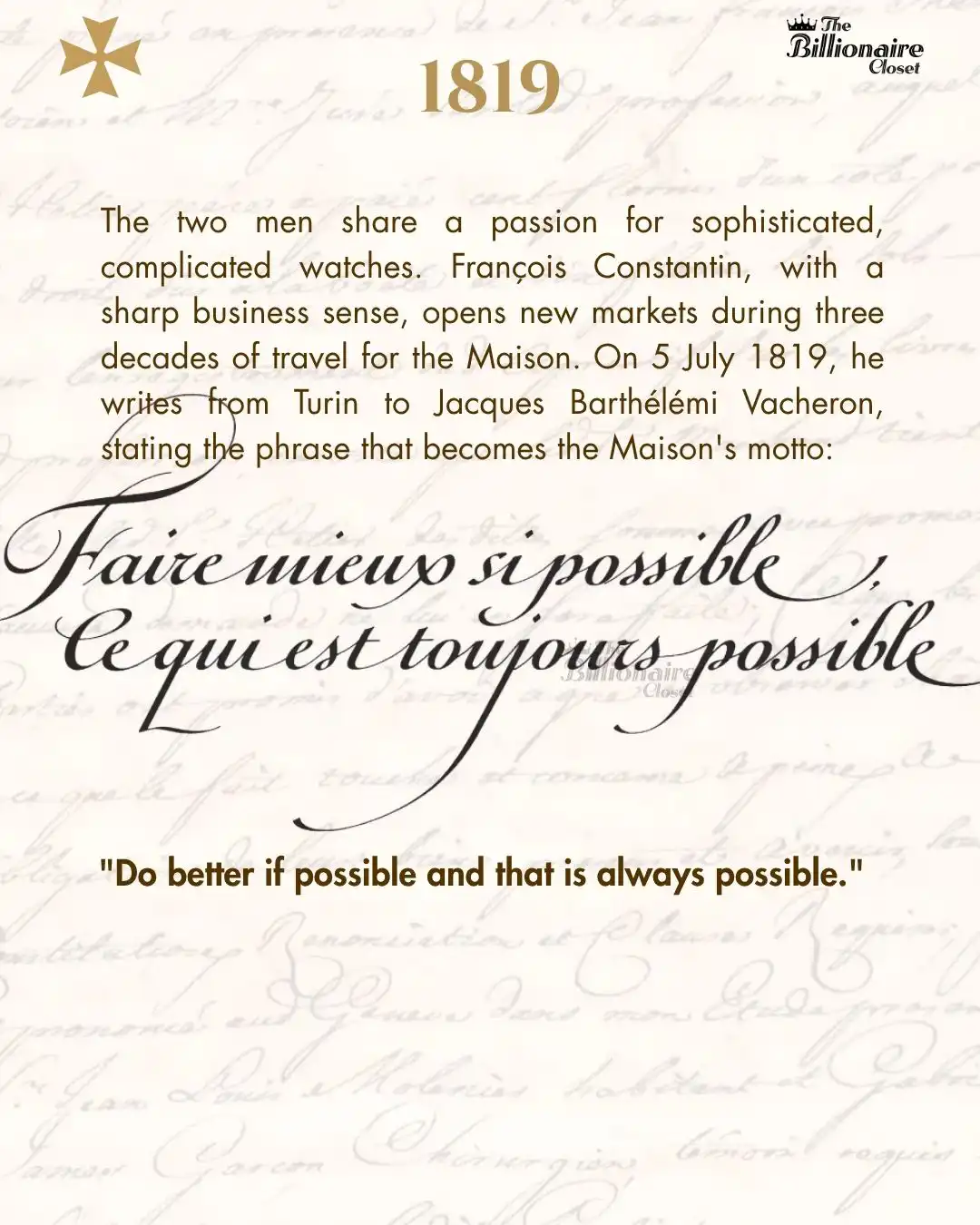
In 1819, Jacques Barthélémi Vacheron, the founder’s grandson, partnered with businessman François Constantin. The partnership gave the Maison its modern name and expanded its international reach. That same year, Constantin wrote the phrase that became the Maison’s motto: “Do better if possible and that is always possible.”
Innovation Through Precision
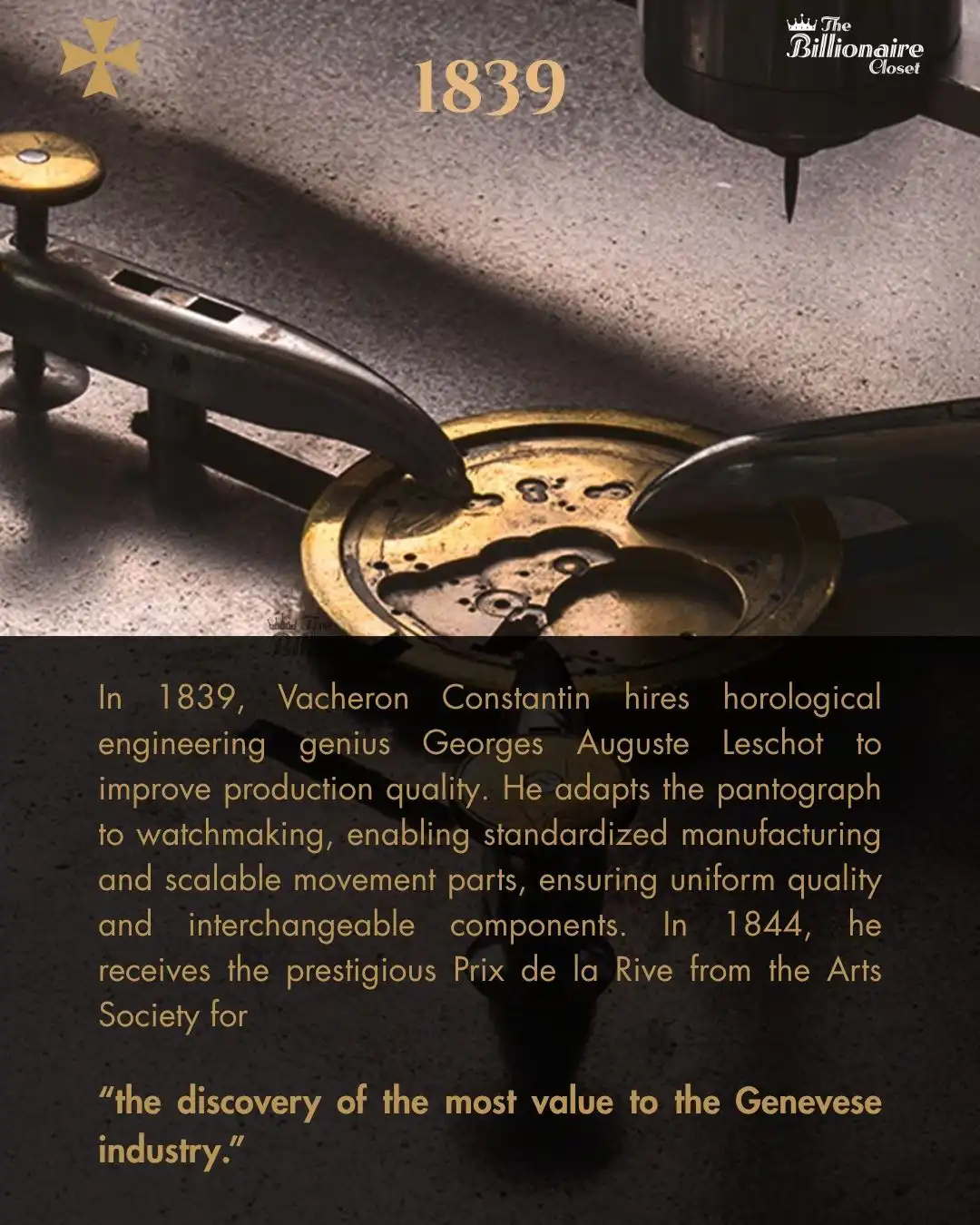
Vacheron Constantin’s history is not built on heritage alone. In 1839, the Maison hired Georges Auguste Leschot, who adapted the pantograph to watchmaking, improving the standardised production and exchangeability of movement parts. In 1844, Leschot received the Prix de la Rive from the Arts Society for a discovery considered highly valuable to Genevan industry.
The Maltese Cross and the Identity of the Maison
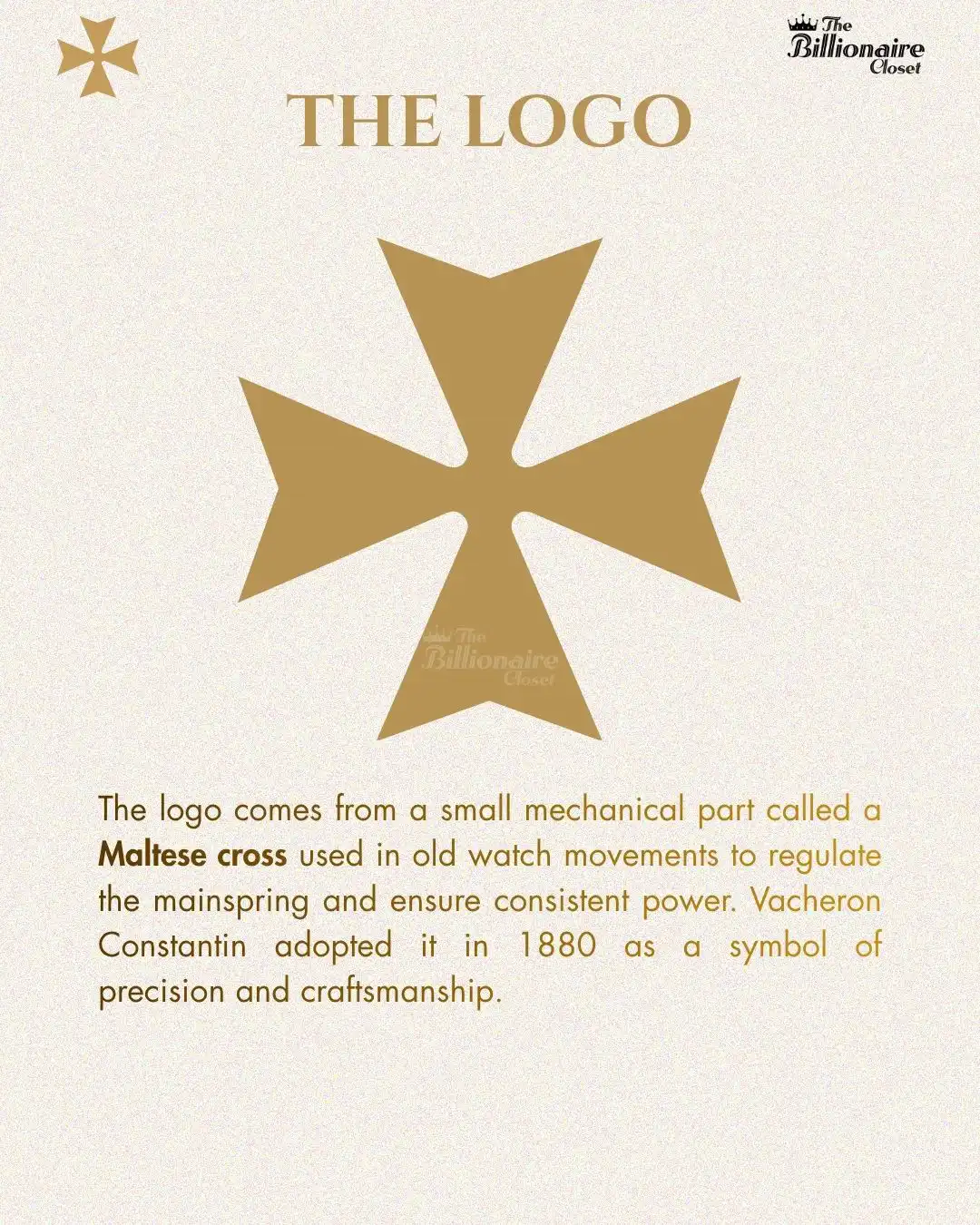
In 1880, the Maltese cross officially became the emblem of Vacheron Constantin. The symbol was inspired by a movement component designed to support the constant unspooling of the mainspring, helping improve timekeeping accuracy. Over time, it became one of the most recognizable symbols in Swiss watchmaking.
Complications, Thinness, and Technical Mastery
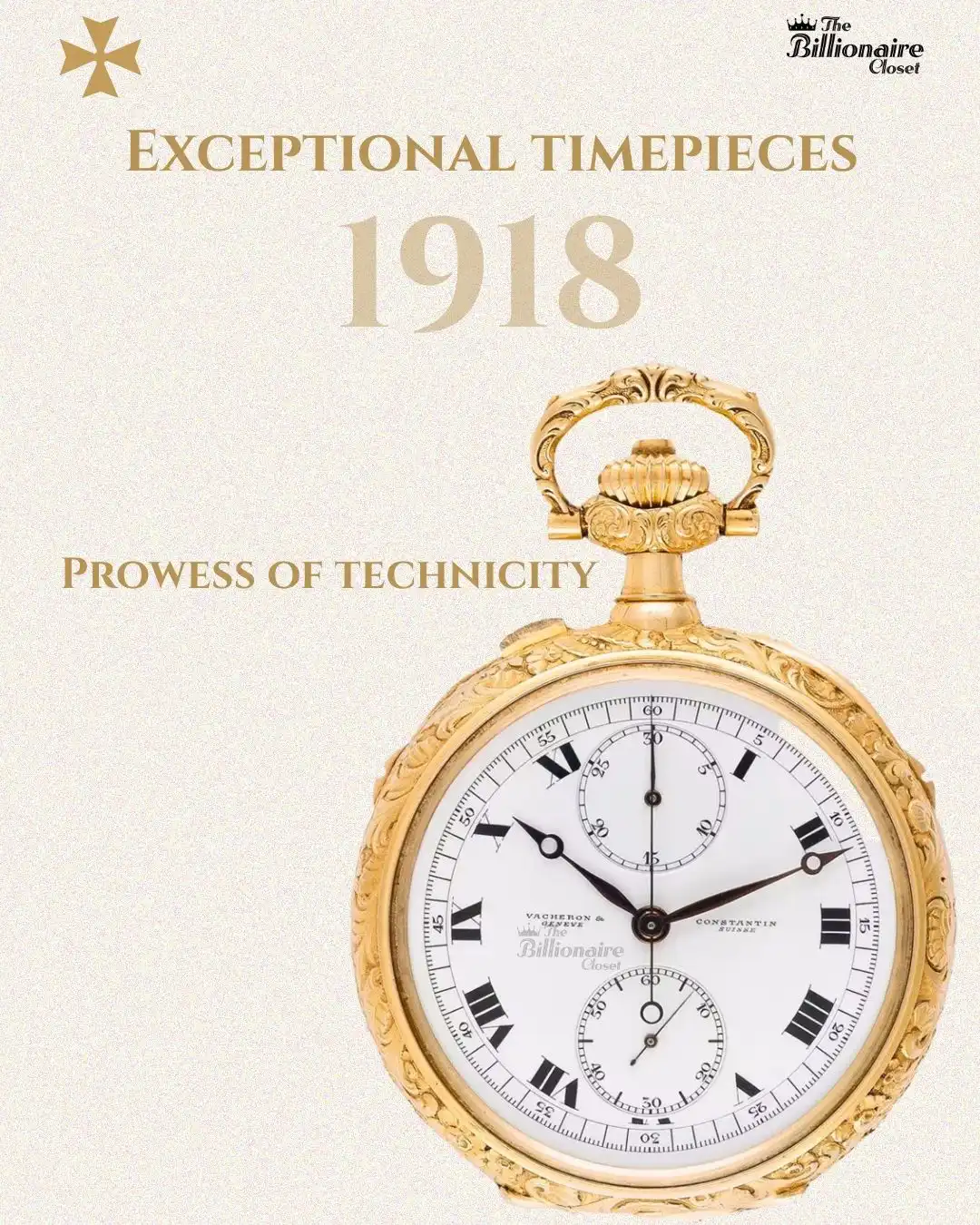
Across its history, Vacheron Constantin explored tourbillons, astronomical displays, chiming watches, chronographs, ultra-thin calibres, and skeletonised movements. In 1955, during its bicentenary, the Maison introduced the Calibre 1003, a hand-wound movement measuring only 1.64 mm thick and made of 117 components.
World Records and Modern Haute Horlogerie
The Maison continues to push technical watchmaking. In 2024, Les Cabinotiers The Berkley Grand Complication was presented with 63 complications and 2,877 components. In 2025, the Solaria Ultra Grand Complication La Première arrived with 41 complications, 1,521 components, and five rare astronomical functions.
Why Vacheron Constantin Still Matters
Vacheron Constantin matters because its story connects continuity with ambition. The Maison did not become important through one watch or one era. Its reputation was built through generations of craftsmanship, technical progress, artistic finishing, and complicated watchmaking. For collectors, the name represents Geneva heritage with a living commitment to high horology.
From Jean-Marc Vacheron’s first workshop in 1755 to modern world-record complications, Vacheron Constantin represents one of the longest and most disciplined stories in watchmaking. Its legacy is not only age. It is continuity, refinement, innovation, and the ability to keep improving across centuries.