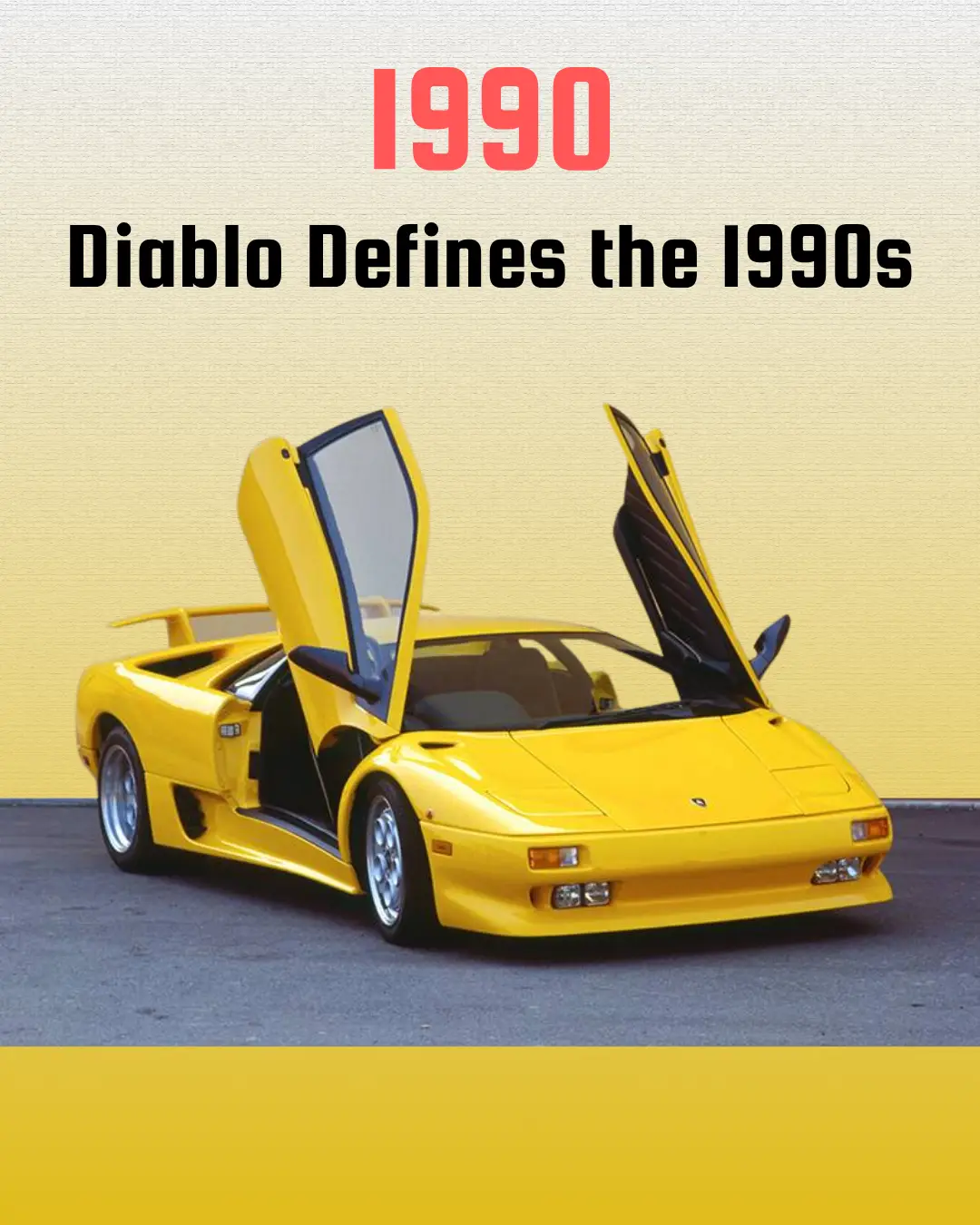
1990 – Diablo Defines the 1990s
The Diablo replaced the Countach and became the Lamborghini icon of the 1990s. Its 5.7-liter V12 pushed the car beyond 320 km/h, making it one of the most extreme supercars of its time.
1998 – Lamborghini Joins the Audi Group
Lamborghini became part of the Audi-Volkswagen Group, giving the brand access to advanced engineering, technology, and stronger quality standards while keeping its Italian supercar identity.
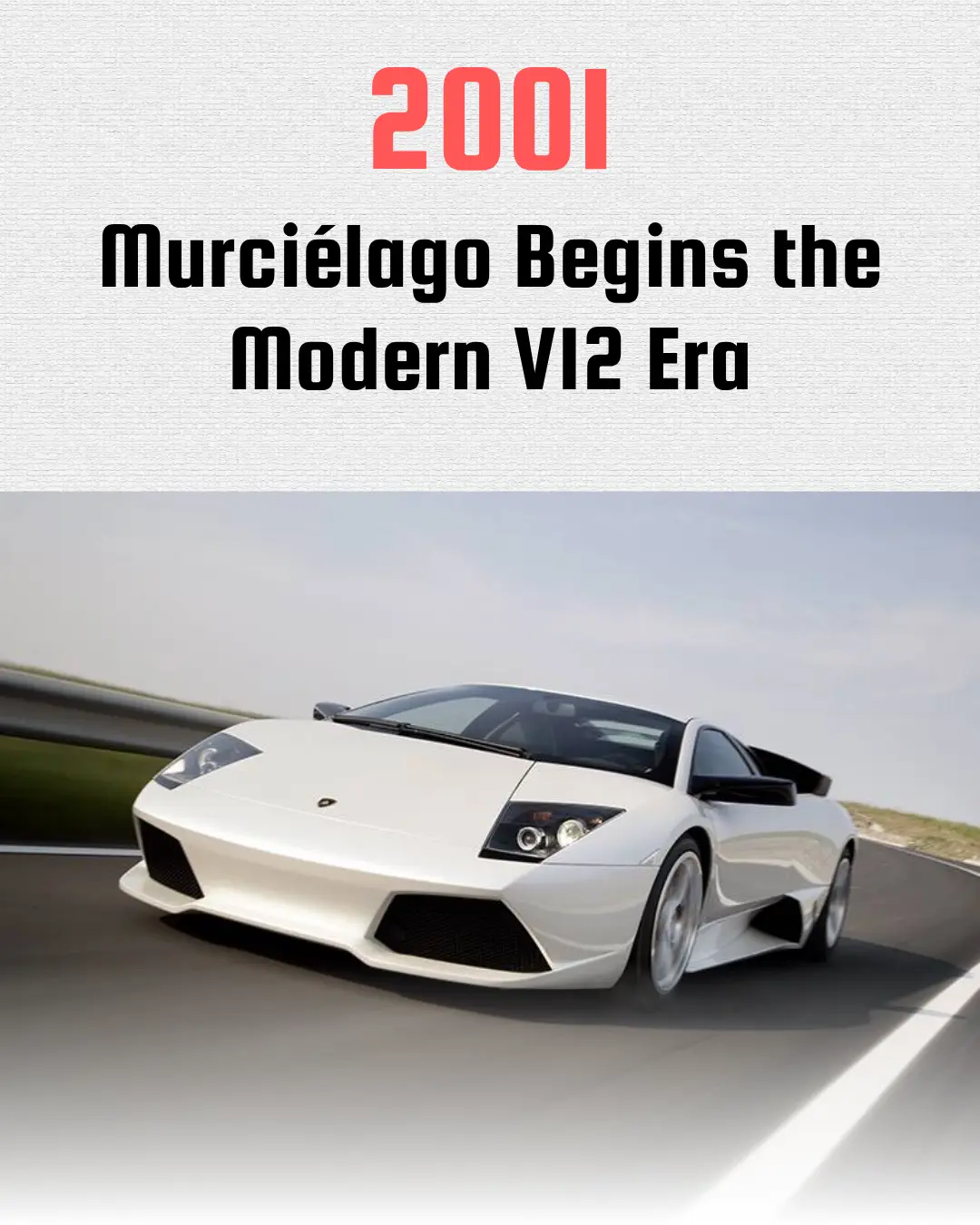
2001 – Murciélago Begins the Modern V12 Era
The Murciélago became the first new Lamborghini of the Audi era. Powered by a V12 and equipped with all-wheel drive, it marked the start of a more refined and globally focused Lamborghini chapter.
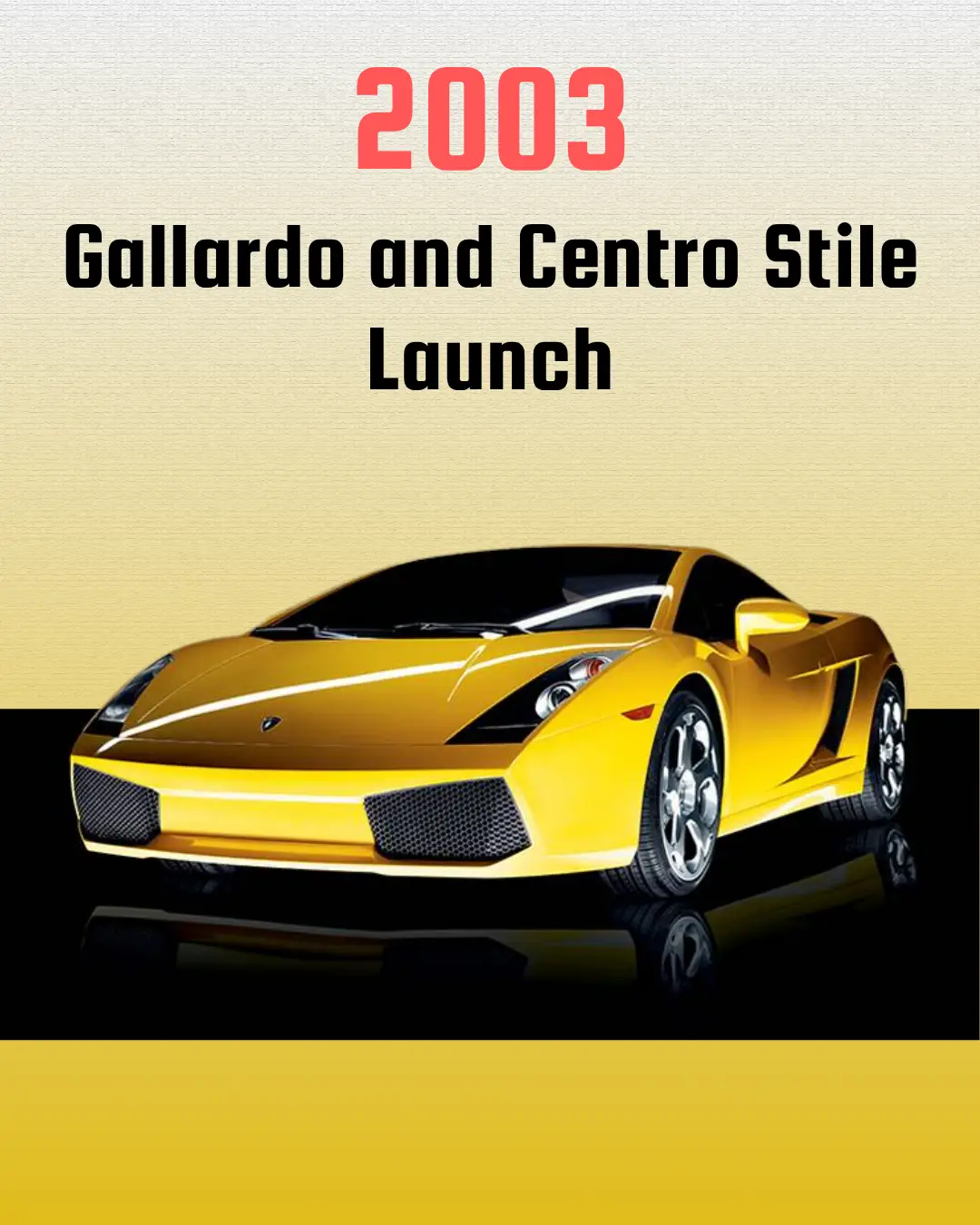
2003 – Gallardo and Centro Stile Launch
The Gallardo introduced Lamborghini’s V10 era and became one of the brand’s most successful models. The same year, Lamborghini opened Centro Stile, its in-house design department.
2007 – Carbon Fiber Development Grows
Lamborghini established its Composites Development Center, strengthening its focus on carbon fiber and lightweight technology.
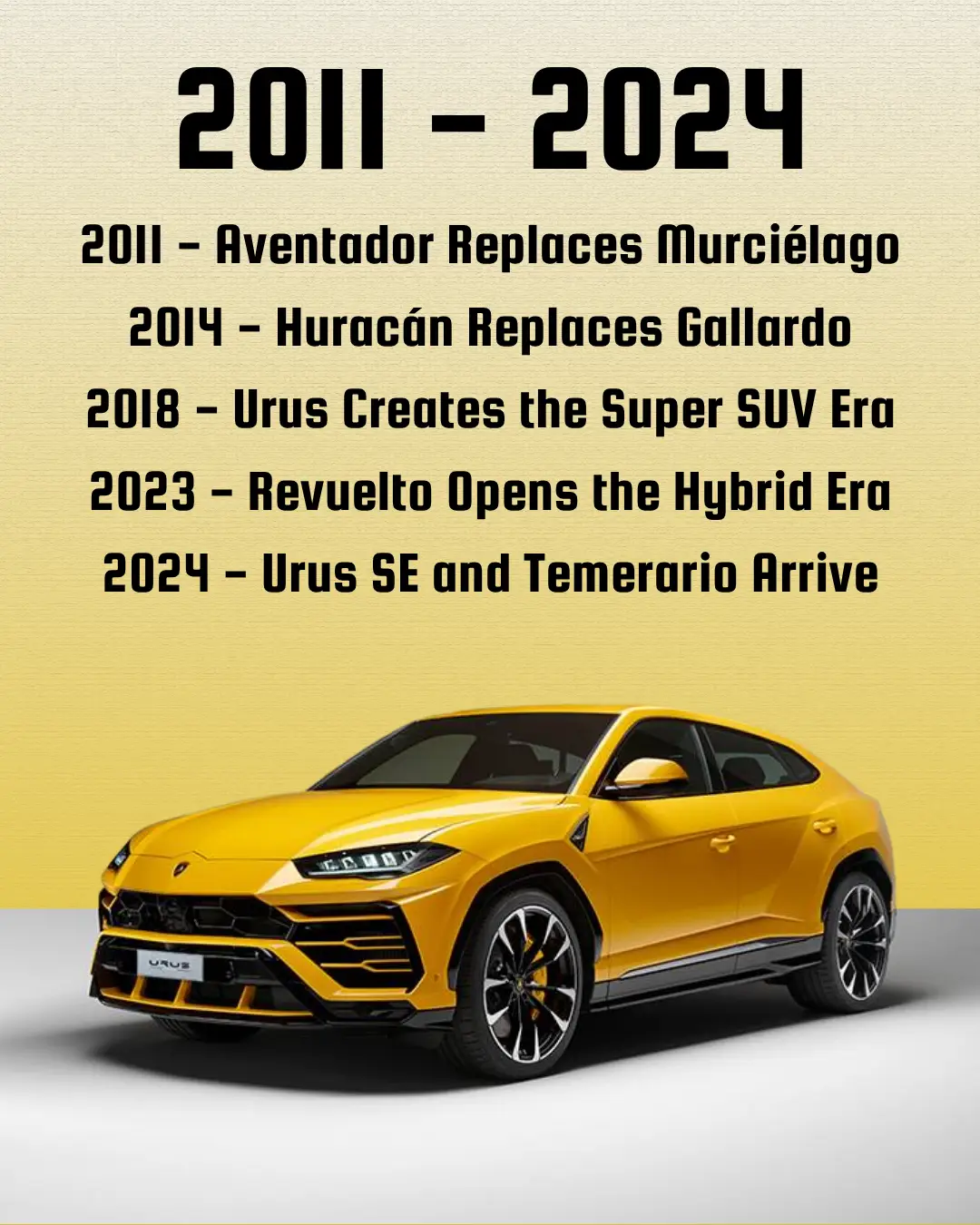
2011 – Aventador Replaces Murciélago
The Aventador LP 700-4 debuted with a carbon fiber chassis and a new mid-mounted V12 producing 700 CV. It became Lamborghini’s new flagship and one of the defining supercars of the modern era.
2014 – Huracán Replaces Gallardo
The Huracán arrived as the successor to the Gallardo. With a 610 CV V10 engine, dual-clutch transmission, all-wheel drive, and sharp design, it became Lamborghini’s modern V10 icon.
2015 – Sustainability and Polo Storico
Lamborghini received CO2-neutral certification for its Sant’Agata Bolognese plant. The brand also created Lamborghini Polo Storico, dedicated to preserving archives, certification, and restoration of historic models.
2018 – Urus Creates the Super SUV Era
The Urus became Lamborghini’s first Super SUV. Powered by a 650 CV twin-turbo V8, it combined Lamborghini performance with SUV practicality and became a major success for the brand.
2019 – New Paintshop Opens
Lamborghini opened its advanced in-house Paintshop for the Urus, combining craftsmanship, digitalization, sustainability, and deeper customization.
2021 – Direzione Cor Tauri Begins
Lamborghini launched Direzione Cor Tauri, its strategy to electrify the full range and reduce emissions while keeping the brand’s high-performance identity.
2023 – Revuelto Opens the Hybrid Era
The Revuelto became Lamborghini’s first High Performance Electrified Vehicle. It combined a naturally aspirated V12 with three electric motors, producing 1,015 CV and marking a new era for the brand.
2024 – Urus SE and Temerario Arrive
Lamborghini introduced the Urus SE plug-in hybrid and the Temerario, the replacement for the Huracán. The Temerario features a hybrid twin-turbo V8 producing 920 CV, pushing Lamborghini deeper into its electrified future.
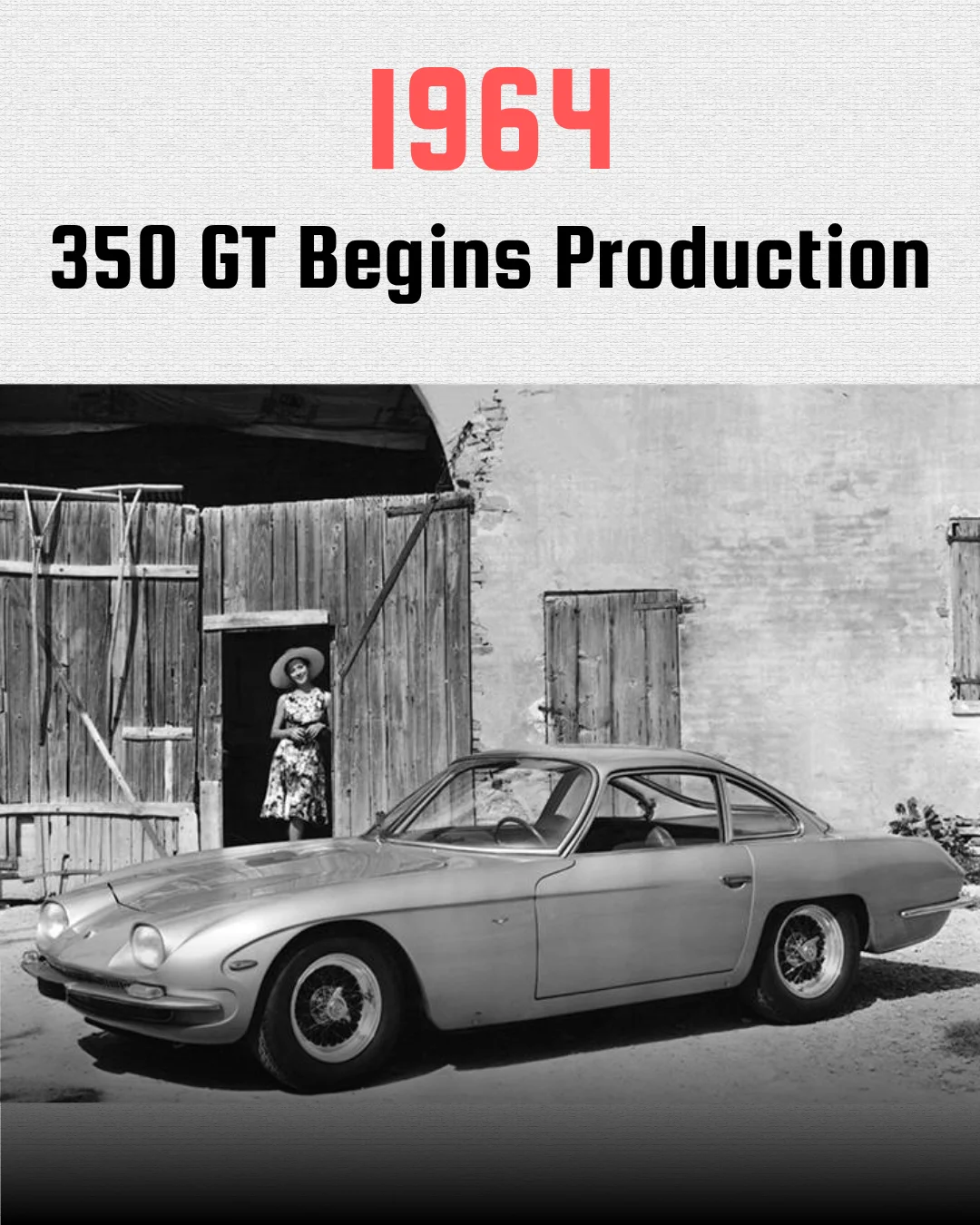
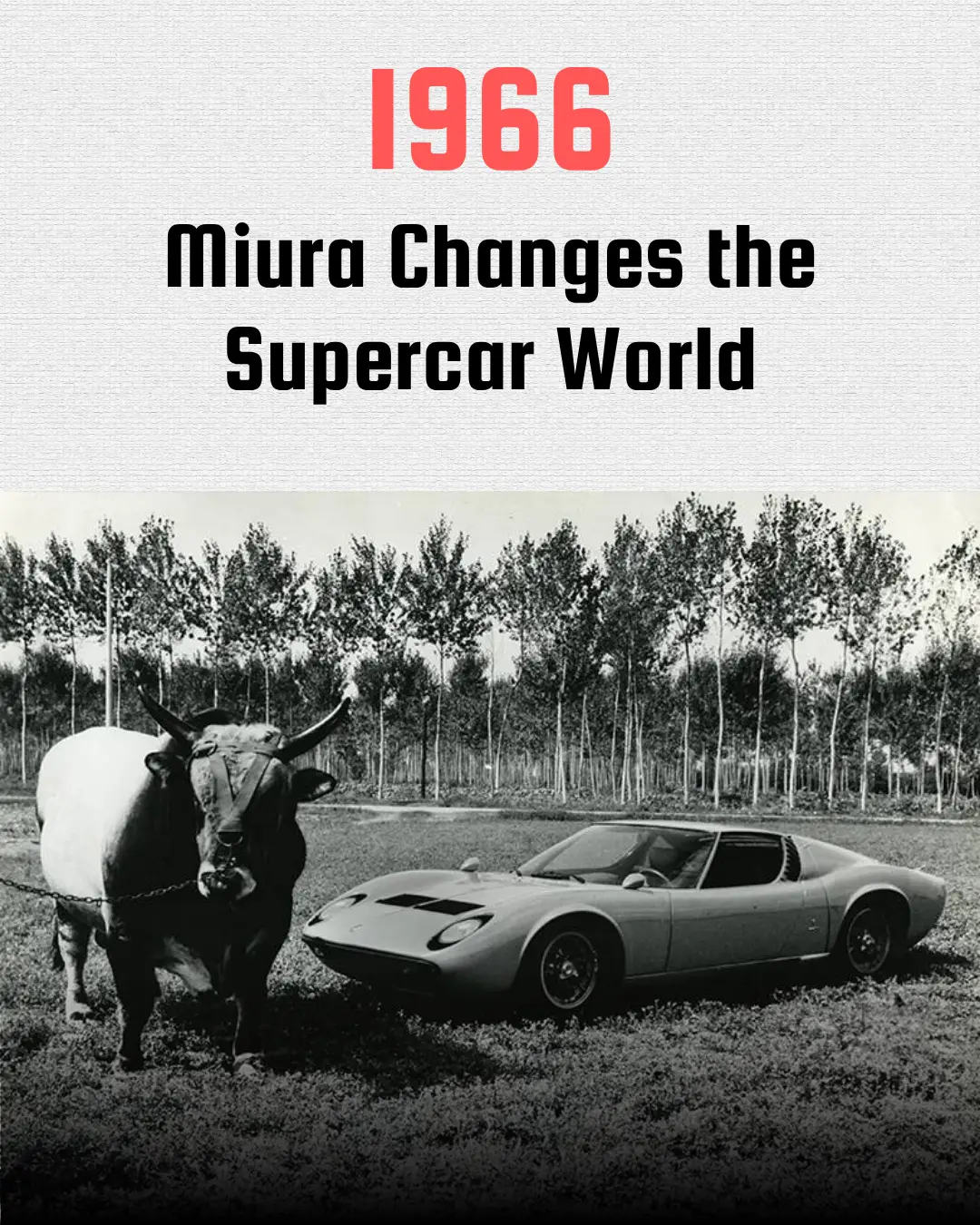
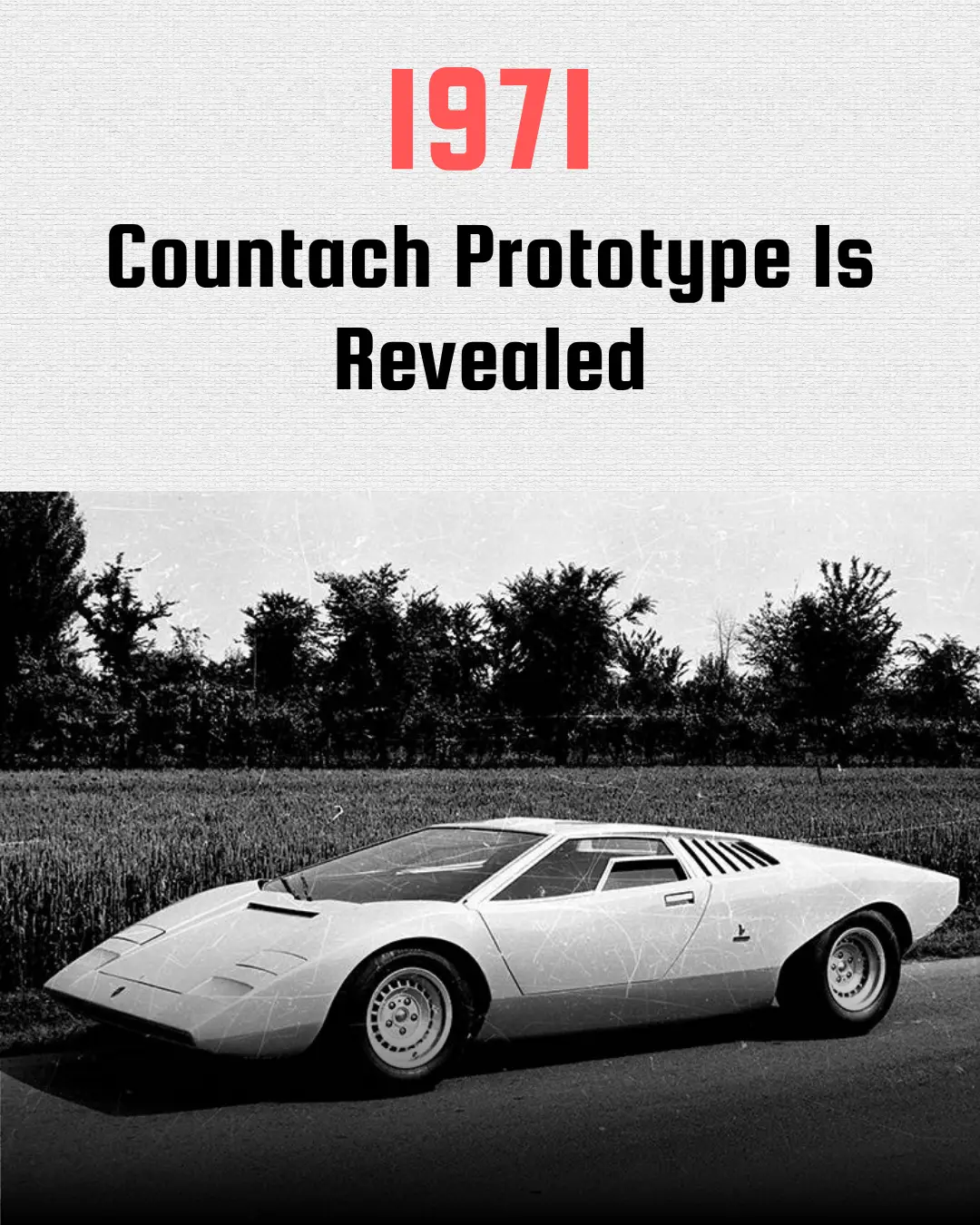
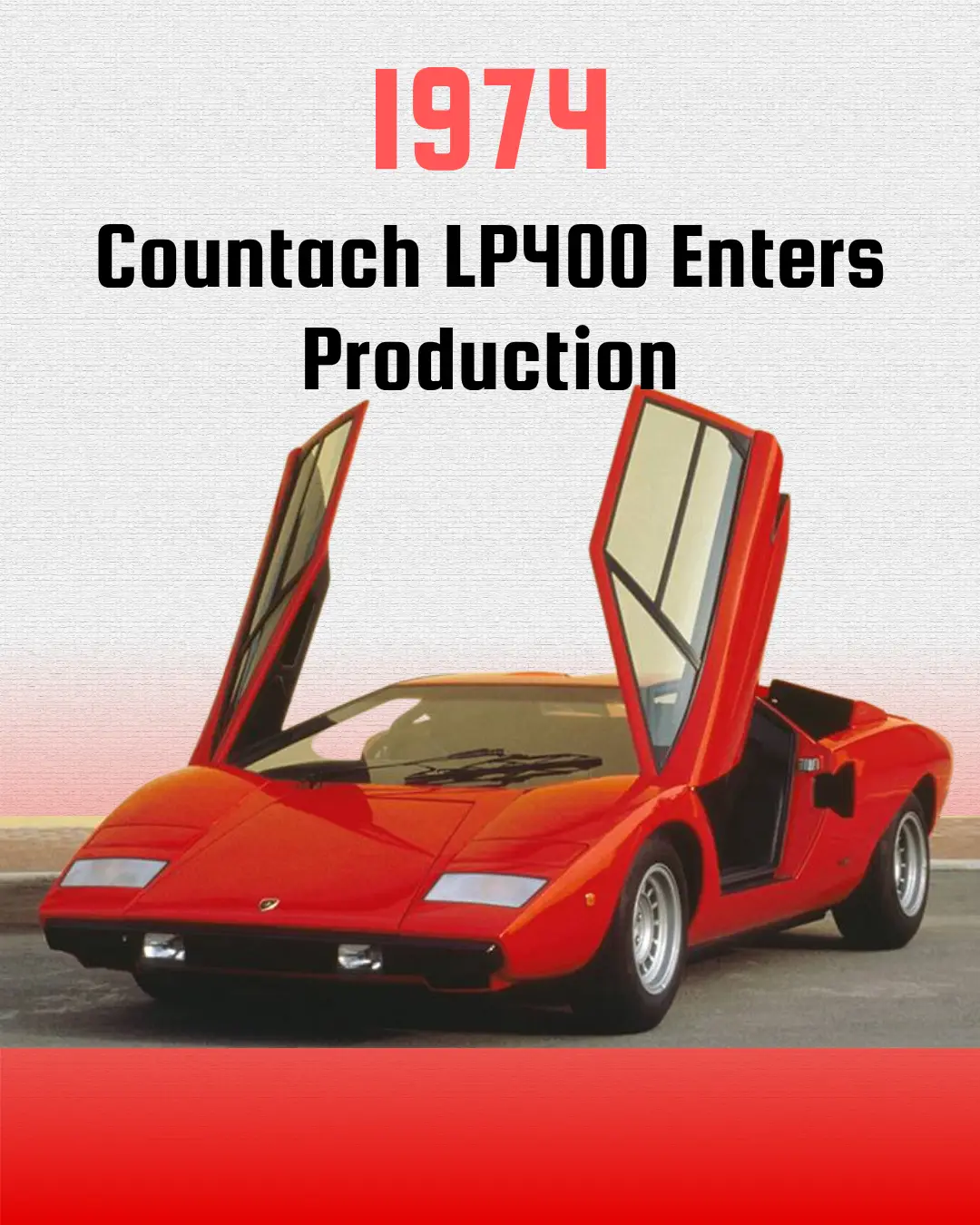
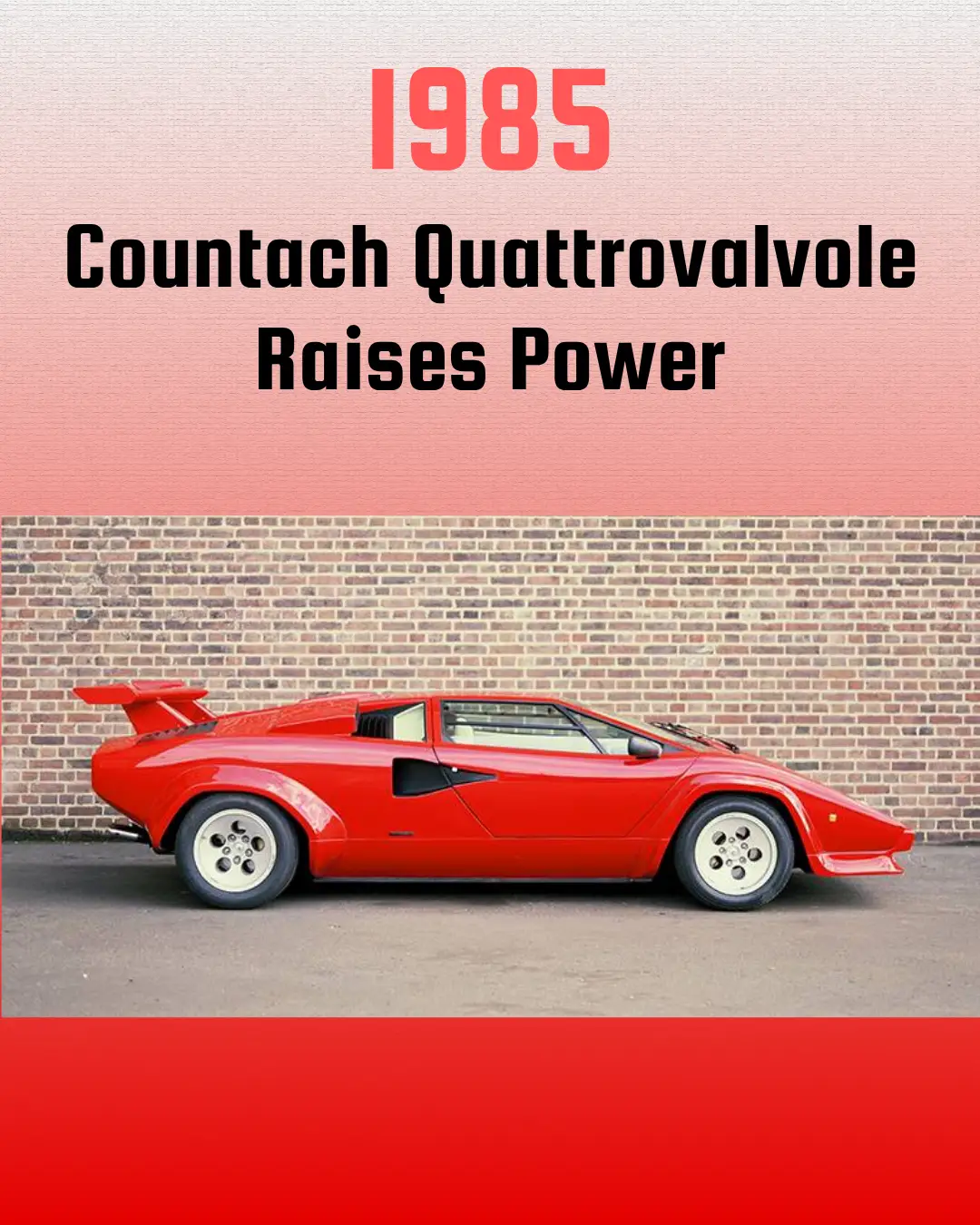
From the 350 GT to the Revuelto, Lamborghini has never built ordinary cars. Every decade brought a machine that changed the brand’s story. The Miura created the supercar image. The Countach became a poster legend. The Diablo defined the 1990s. The Aventador carried the V12 legacy. The Urus changed the business. The Revuelto opened the hybrid chapter.
For more info check: https://www.lamborghini.com/en-en/history